

AI governance for boards: what the EU AI Act asks directors to oversee
The AI Act places duties on organisations according to their role and the systems they use. Boards need a reliable view of those obligations, the applicable dates and the people responsible for evidence and oversight.
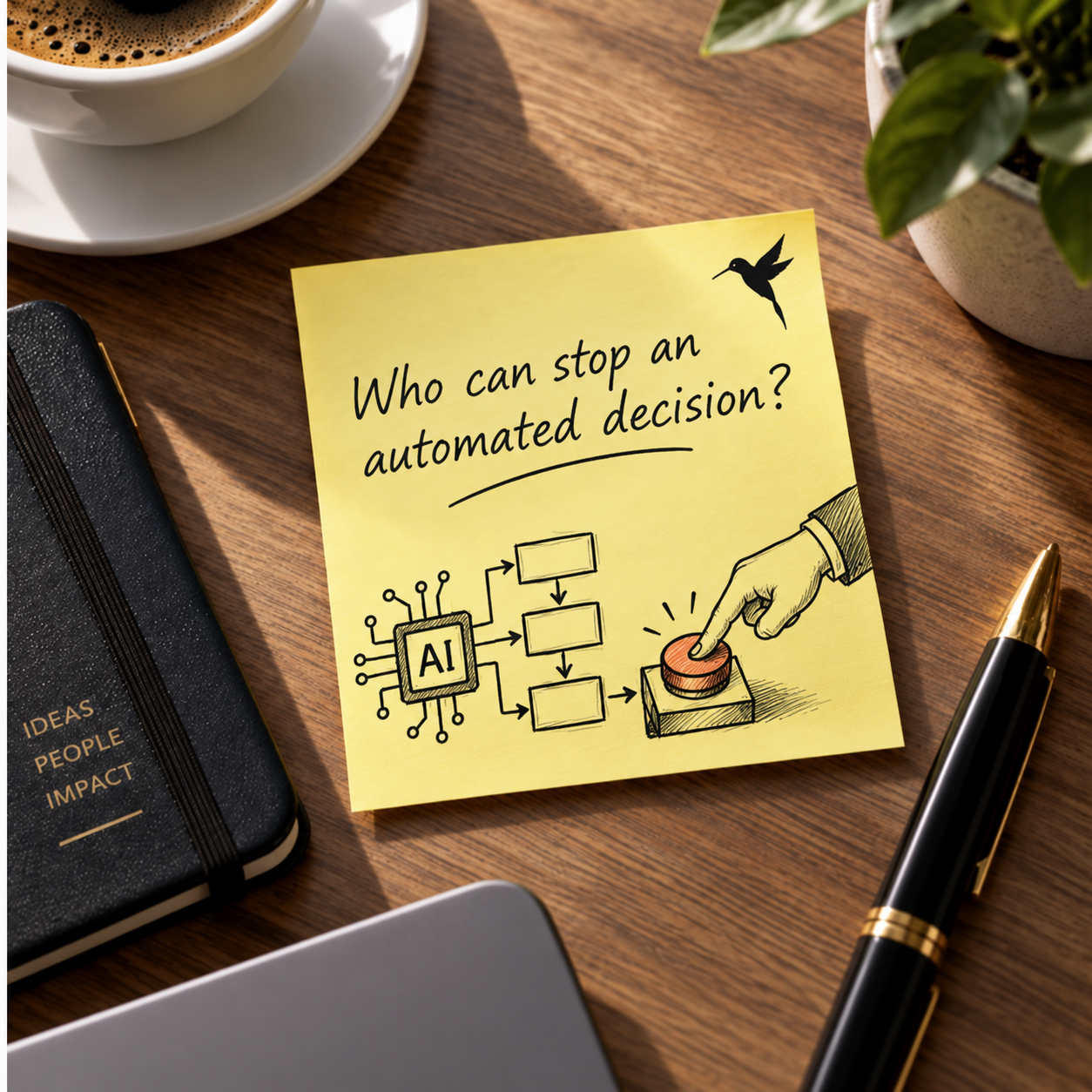
Who can stop an automated decision?
Human oversight means little if nobody has the authority, time or information to intervene. Boards should test how automated decisions can be challenged, paused and corrected in the circumstances where it matters.

Investor readiness: what to align before the first investor meeting
Before meeting investors, founders, finance and the board need a shared position on the funding purpose, figures, authority and likely governance changes. Alignment makes the conversation more credible and prevents promises the company has not agreed.

Technology investment deserves a business owner
A technology programme can have a capable delivery team and still lack someone accountable for the business change. Boards should know who will make the difficult operating decisions before they approve the investment.

Risk appetite that helps people make a decision
Words such as cautious and balanced leave plenty of room for interpretation. A board-approved risk appetite becomes useful when people can see what it permits, where the limits sit and what happens when those limits are approached.

What a board pack needs so the board can decide
A useful decision paper lets directors follow the choice, test the evidence and understand what approval would authorise. Here is a practical structure for a pack that supports judgement and makes follow-up easier.

The family office needs a mandate beyond the founder
A family office can grow around the preferences of one person until nobody can clearly explain its boundaries. A useful mandate makes its purpose, authority and responsibilities understandable to the family and to the people doing the work.
Ten questions a non-executive director should ask the CISO
A useful conversation with the CISO connects cyber exposure to the business and the decisions directors must take. These ten questions ask for evidence, ownership and choices without expecting the board to run security operations.

Capital allocation beyond the annual budget
A budget records where money is expected to go. Boards also need to examine the choices behind it: which investments deserve more capital, what has changed and when funding should come back for review.

Is growth hiding a weaker business?
Higher revenue can sit alongside thinner margins, slower cash collection and growing dependence on a few customers. Boards need to examine what the latest growth adds to the business and what it asks the organisation to carry.

Is the family office ready for the next decision-maker?
Succession is also a transfer of judgement, authority and working relationships. The family office needs to know how decisions will continue when the person everyone turns to is no longer available to make them.

Why approved strategies stall: five signs your programme is stuck
A programme can remain busy long after it has stopped making useful progress. Five patterns help boards distinguish a difficult period from a programme that needs a different decision, a recovery plan or a stop.
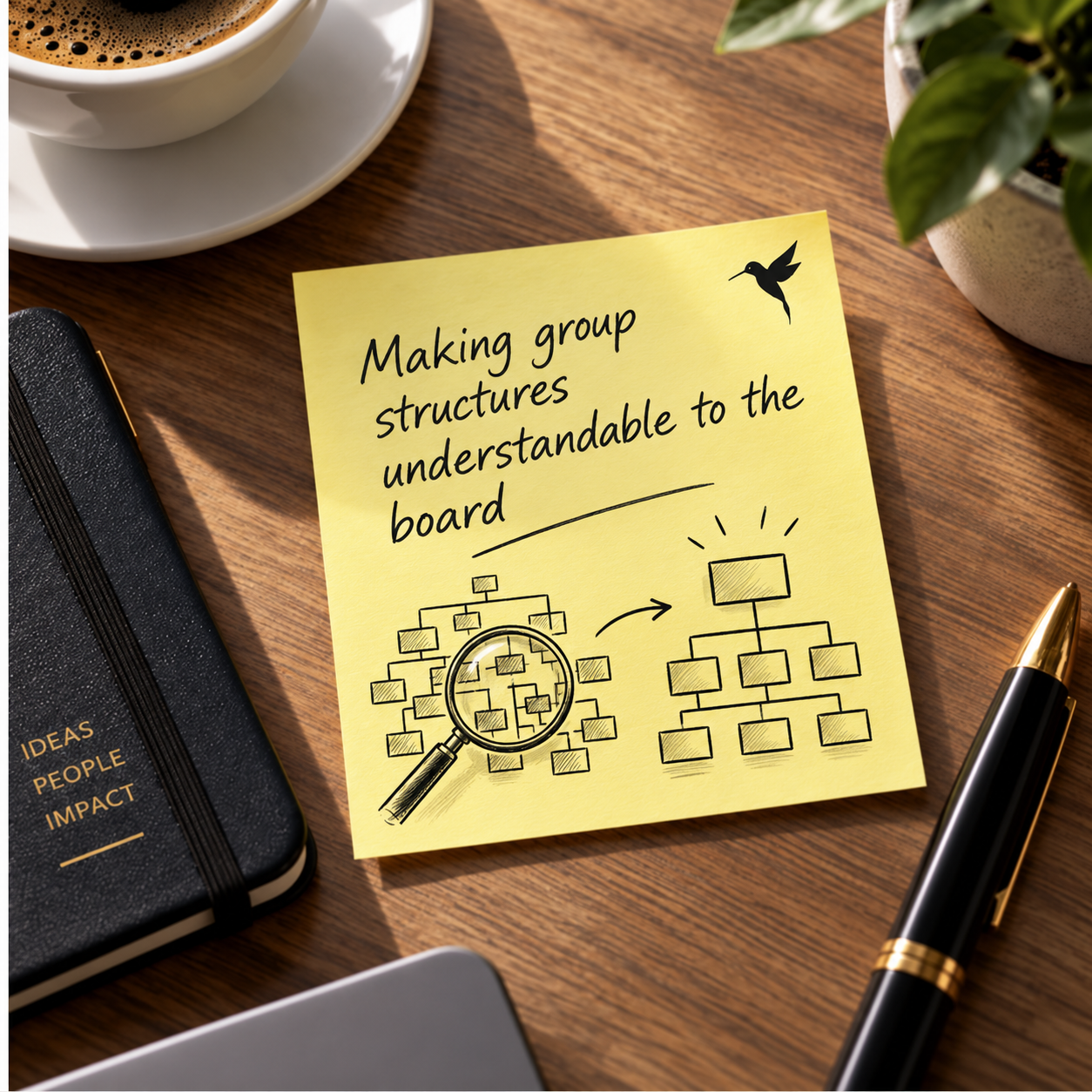
Making group structures understandable to the board
A group chart shows ownership. It may say little about where decisions are made, obligations sit or money moves. Boards need a structure they can explain before they approve changes to it.

The board’s first hour in a crisis
When a serious incident reaches the board, directors need a clear picture of who is leading, what is known and which decisions cannot wait. Early discipline helps management respond without facing a second chain of command.
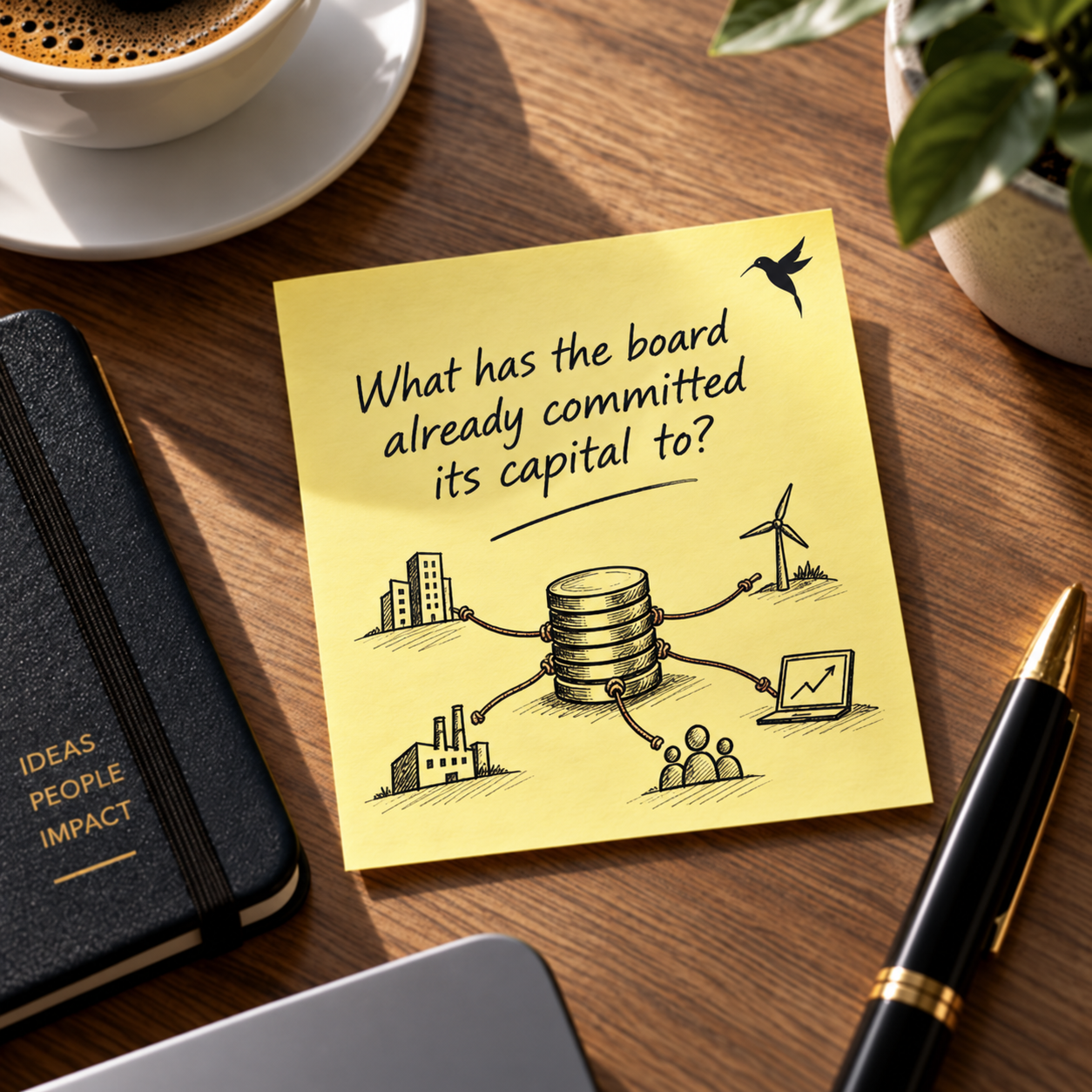
What has the board already committed its capital to?
The cash balance tells only part of the story. Before approving another commitment, boards need a clear view of future payments, conditional obligations and the money that may be difficult to move when it is needed.

When every decision still comes back to the founder
A growing business can add managers without transferring real authority. The board should examine where decisions stall, what the founder still carries and whether the management team has the information and support to act independently.

Your pitch is ready. Are you ready for investors’ questions?
A clear pitch earns attention. The next conversation asks for evidence: customers, cash, ownership and what the funding will achieve. How to prepare the answers behind the presentation.
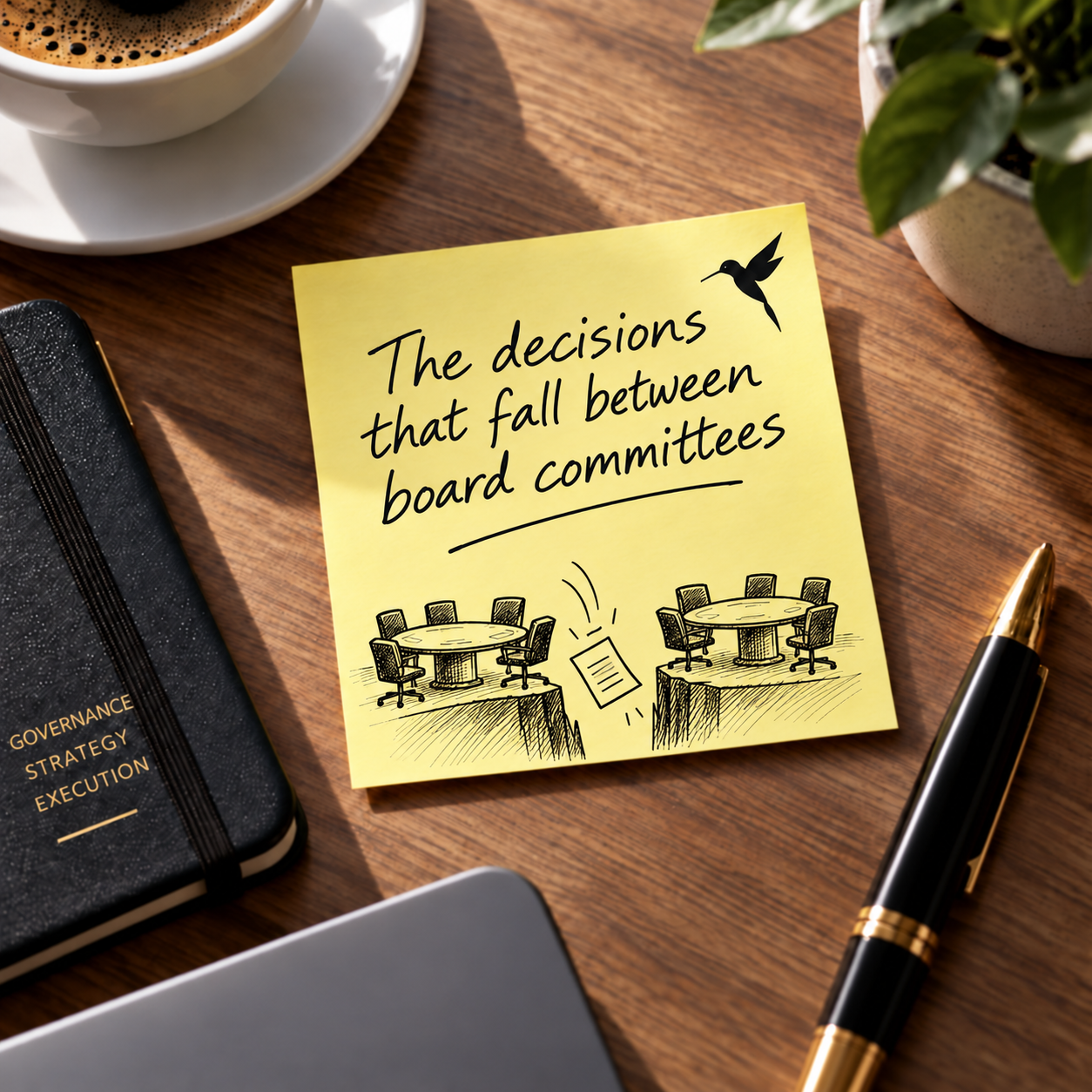
The decisions that fall between board committees
Audit, risk and remuneration committees can each do their job well while a shared issue remains unresolved. The full board needs to see where responsibilities meet and ensure that someone brings the combined question back for a decision.

What belongs on the board agenda before it becomes urgent?
Some of the most important board discussions have no immediate deadline. Making room for them early gives directors more choices than waiting for a resignation, a contract renewal or a problem that can no longer be deferred.
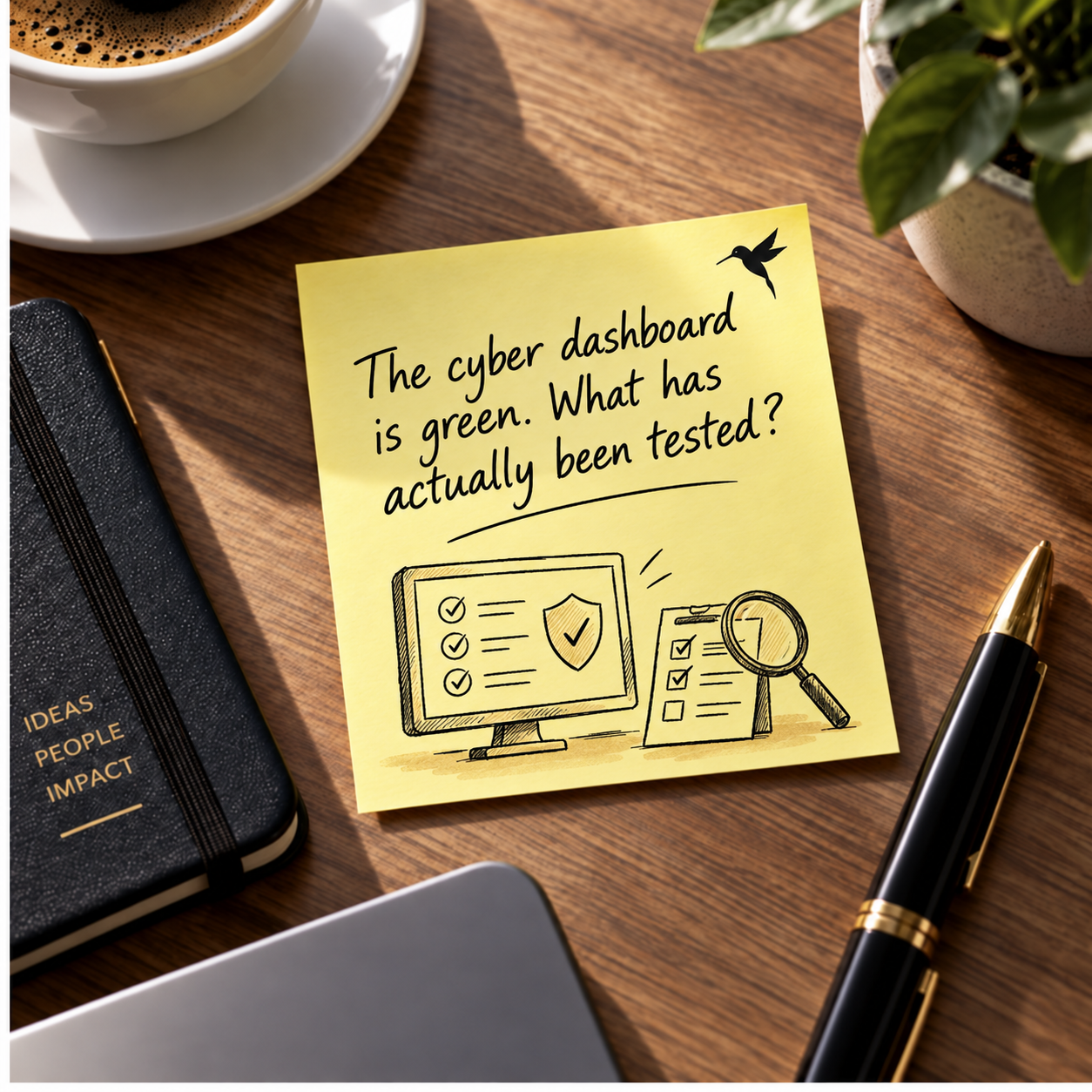
The cyber dashboard is green. What has actually been tested?
Training is complete, backups are running and the dashboard is green. What evidence shows that the business could respond to an incident and recover the services that matter?