

Working with a new investor
Once the funding arrives, decisions and reporting become part of the relationship. Agreeing expectations early helps founders and investors work through progress, setbacks and changes of plan.

The AI pilot worked. Should we scale it?
A successful demonstration is a reason to investigate further. Before expanding an AI pilot, test the work it will actually do, the cost of checking it and what happens when it fails.

The cost of leaving your technology provider
The contract may allow an exit while the business remains heavily dependent on the supplier. Understanding the work, cost and disruption involved makes renewal and investment decisions more credible.

Choosing what to stop when priorities exceed capacity
A business can approve several sensible programmes and still lack the people to deliver them together. Making priorities real means deciding what will slow down, wait or stop.

The project is finished. Where are the savings?
The system is live and the project has closed. The promised saving is still in the forecast. How to distinguish time released, costs avoided and money actually saved—and keep someone responsible for the result.

Making room for disagreement in the boardroom
Silence can mean agreement, uncertainty or a decision that feels settled already. How chairs and directors can make concerns easier to raise and turn different views into a better-informed decision.
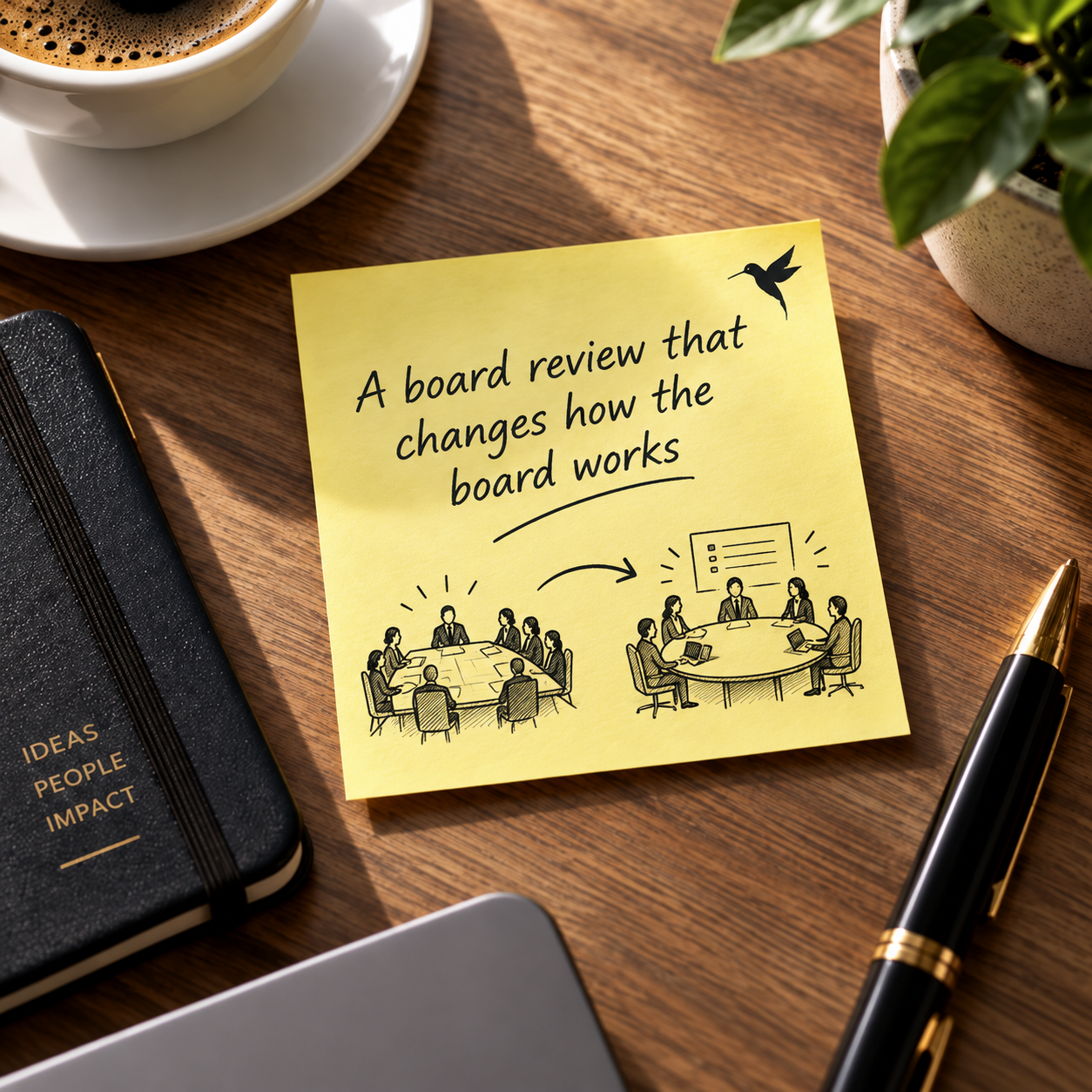
A board review that changes how the board works
A board review should lead to changes people can see in meetings, decisions and follow-through. How to move from broad feedback to a small set of actions that improve the board’s work.

The board pack is 180 pages. Where is the decision?
A long board pack can leave directors well informed about activity and unclear about the decision. How to make recommendations, alternatives and unresolved questions easier to find.
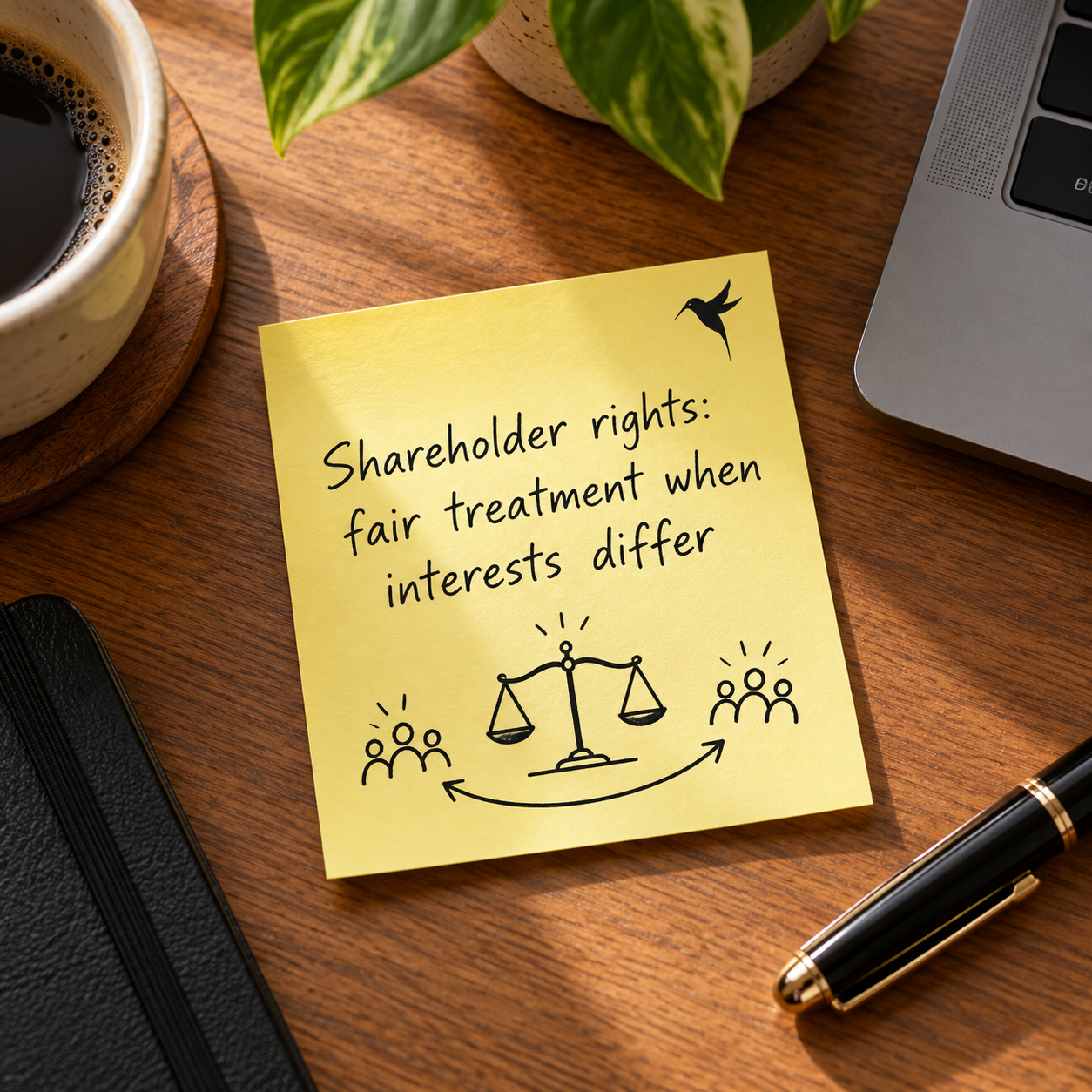
Shareholder rights: fair treatment when interests differ
A majority owner wants a quick decision. A minority investor wants more information. Fair treatment is tested in moments like these. What boards should check before a vote, a capital increase or a transaction involving an owner.

Startup governance: what needs to change as you grow
When every decision still comes back to the founder, growth starts to queue. A practical look at decision rights, cash, board meetings and the promises that need to be written down as a startup grows.

Shareholders and stakeholders: who bears the cost of a decision?
A closure may improve margins and leave a town without its main employer. A dividend may satisfy an owner and leave too little cash to invest. Boards need to understand these consequences before they choose.

Becoming a non-executive director: prepare for the work
A board appointment brings responsibility, scrutiny and work between meetings. How to make your experience relevant, prepare for conversations with chairs and assess a mandate before you accept it.
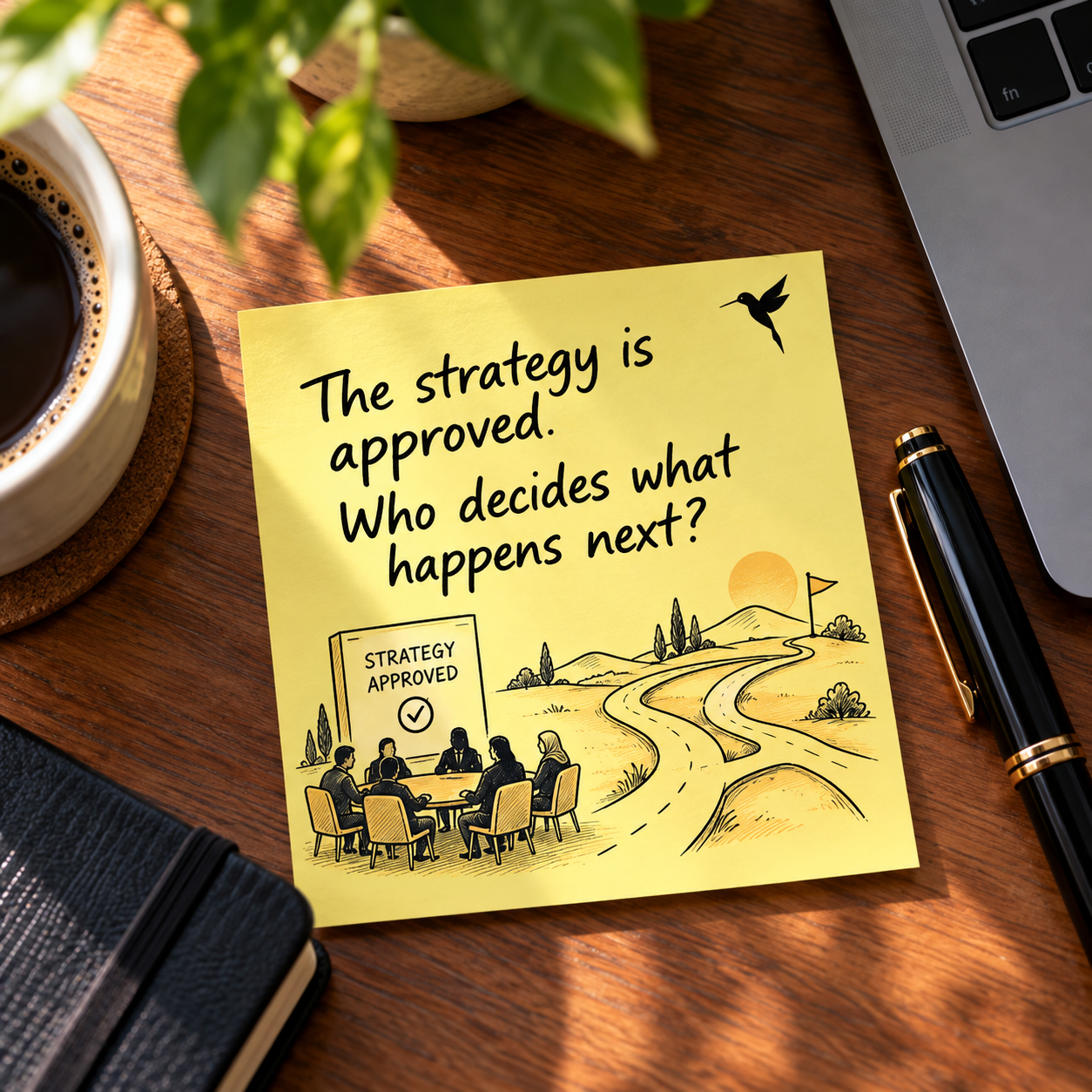
The strategy is approved. Who decides what happens next?
The board approves a strategy. Three months later, the same decisions are still waiting. How to agree who can act, what needs to return to the board and how progress will be judged.
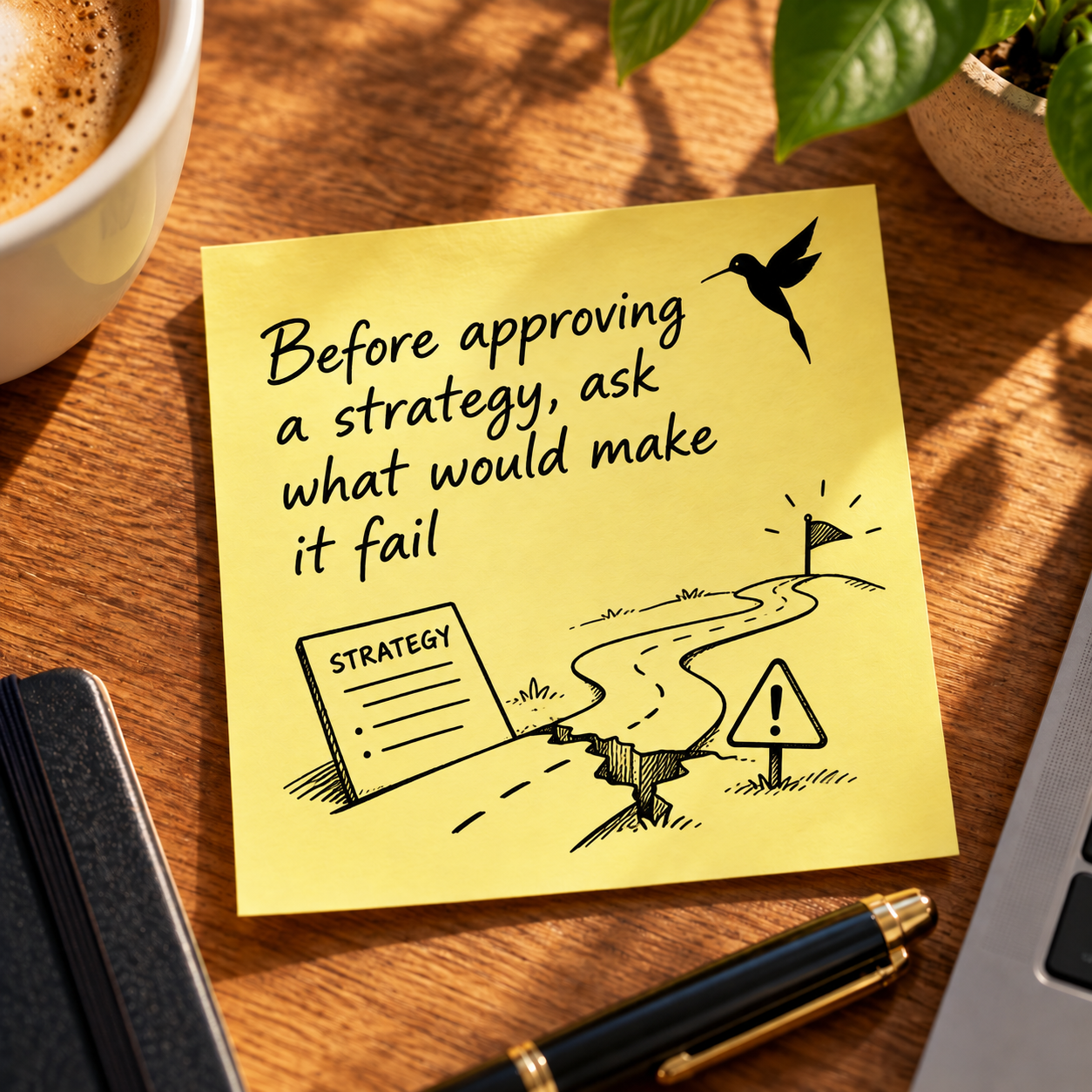
Before approving a strategy, ask what would make it fail
A persuasive strategy presentation can leave the hardest questions unanswered. Before committing money and people, examine the assumptions, alternatives, delivery capacity and evidence that would make you change course.

Business ethics: what happens when doing the right thing costs money?
The real test of a code of conduct comes when a valuable client, a strong performer or a deadline is involved. What boards can examine to see how the company handles pressure, complaints and exceptions.